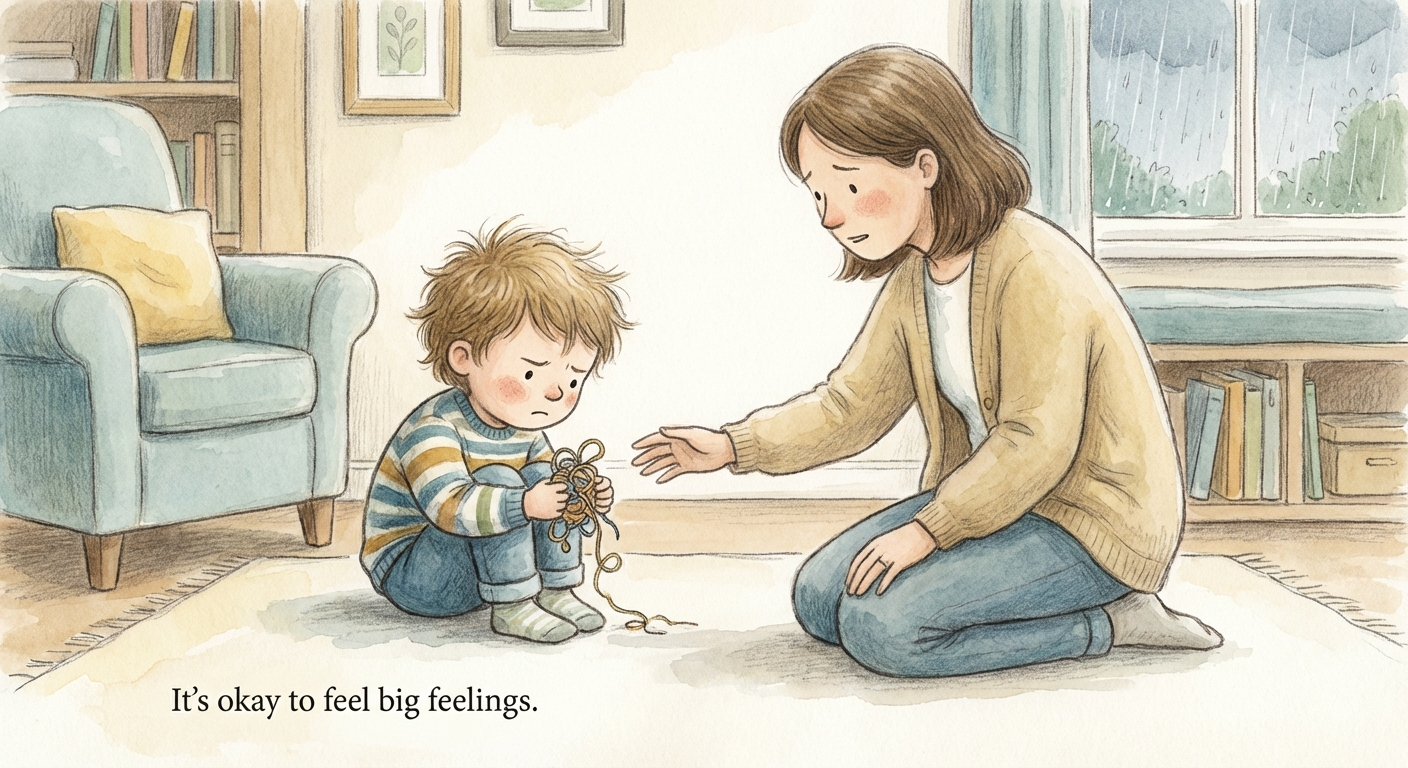
Signs of Anxiety in Children That Parents Often Miss
When we picture an anxious child, we often imagine someone who seems scared, worried, or clingy—a kid who doesn’t want to go to school, asks endless “what if” questions, or hides behind a parent’s legs.
And yes, anxiety can look like that. But it can also look like the child who throws tantrums over tiny things. Or the one who can’t stop picking at their cuticles. Or the perfectionist who melts down over a B+.
Childhood anxiety wears many masks, and some of them are surprisingly easy to miss—or misinterpret as something else entirely.
Why Anxiety in Kids Is So Easy to Miss
Children don’t have the self-awareness or vocabulary to say, “I’m experiencing anxiety.” Their developing brains feel the distress, but they can’t always identify or explain it.
So anxiety comes out in other ways:
- Physical complaints
- Behavior problems
- Avoidance and excuses
- Perfectionism and control
- Anger and irritability
When we see these symptoms, we often address the surface behavior without recognizing the anxiety underneath. That’s not a parenting failure—it’s just how kids are wired. But the more we learn to read the signs, the better we can help.
The Hidden Signs of Anxiety
1. Frequent Stomachaches and Headaches
The mind-body connection is powerful, especially in children. Anxiety often shows up first in the body:
- Stomachaches, especially before school or events
- Headaches that come and go
- Nausea or vomiting
- Muscle tension or complaints of body aches
- Frequent bathroom trips
When doctors can’t find a physical cause, anxiety is often the culprit. The symptoms are real—they’re just being generated by stress rather than illness.
What to watch for: Physical complaints that appear in specific situations (Sunday nights, before tests, before social events) or improve dramatically when the stressor is removed.
2. Sleep Difficulties
Anxiety and sleep problems go hand in hand:
- Difficulty falling asleep (mind won’t turn off)
- Frequent nightmares
- Waking in the middle of the night
- Refusing to sleep alone
- Fear of the dark or “what might happen”
An anxious brain is on high alert, and that vigilance doesn’t shut off at bedtime. If your child has persistent sleep struggles beyond typical developmental phases, anxiety might be a factor.
3. Excessive Perfectionism
This one surprises many parents. The straight-A student who cries over small mistakes might seem like they’re just “driven.” But behind perfectionism often lurks anxiety:
- Erasing work repeatedly until paper tears
- Refusal to try if they might not succeed
- Excessive time spent on assignments
- Meltdowns over minor errors
- Self-critical language (“I’m so stupid”)
The anxious perfectionist isn’t motivated by achievement—they’re terrified of failure.
4. Anger, Irritability, and Meltdowns
Anxiety in children often looks like behavior problems:
- Explosive anger over small things
- Irritability and a “short fuse”
- Oppositional or defiant behavior
- Meltdowns during transitions or new situations
When kids feel anxious but can’t express it, the tension builds until it explodes. What looks like a tantrum may actually be an overwhelmed nervous system.
Key clue: The behavior seems disproportionate to the trigger. Breaking a cracker in half doesn’t warrant 30 minutes of screaming—unless something bigger is happening inside.
5. Avoidance and Refusal
Anxious kids become masters of avoidance:
- Refusing to go to school or activities they used to enjoy
- Making excuses to skip playdates or parties
- Sudden “sickness” before events
- Elaborate reasons why they can’t do something
Avoidance provides temporary relief, which reinforces the pattern. If your child is increasingly opting out of life, anxiety might be why.
6. Seeking Constant Reassurance
All kids need reassurance sometimes. But excessive reassurance-seeking is a hallmark of anxiety:
- Asking the same questions over and over
- Needing repeated confirmation (“You’ll pick me up, right? You’re sure?”)
- Checking behaviors (locks, homework, that they didn’t say something wrong)
- Unable to be comforted by logical answers
The reassurance helps momentarily, but the worry returns—and they need to ask again.
7. Controlling and Rigid Behavior
When the world feels unpredictable and scary, anxious kids try to control what they can:
- Insistence on routines and rituals
- Difficulty with changes or surprises
- Need to have things “just so”
- Difficulty adapting to new situations
- Bossiness in play (trying to control outcomes)
Flexibility requires emotional bandwidth. Anxious children are often too depleted to bend.
8. Physical Restlessness and Fidgeting
Anxiety is activating. It prepares the body to fight or flee, which can look like:
- Constant movement or fidgeting
- Difficulty sitting still
- Nail biting, hair twirling, or skin picking
- Leg bouncing or restlessness
- Teeth grinding
These nervous habits provide an outlet for anxious energy.
9. Excessive Worry About Others
Some anxious children worry less about themselves and more about the people they love:
- Fear that something bad will happen to parents
- Excessive concern about family members’ health or safety
- Not wanting parents to leave (separation anxiety)
- Worry about world events or disasters
This outward focus can mask the underlying anxiety. They seem empathetic and caring—because they are—but the worry goes beyond typical concern.
10. Being “The Good Kid”
Sometimes anxious children cope by becoming people-pleasers:
- Always following rules
- Rarely expressing needs or preferences
- Agreeing with everything to avoid conflict
- Suppressing negative emotions
- Working very hard to make others happy
These kids can fly under the radar because they don’t cause problems. But inside, they may be anxious about making anyone upset or disappointed.
Is It Normal Worry or Something More?
All children worry sometimes. Anxiety becomes a concern when:
- It’s persistent (weeks to months, not just bad days)
- It’s disproportionate to the situation
- It’s interfering with daily life (school, friendships, family activities)
- Your child is in significant distress
- It’s not improving with typical support and reassurance
Trust your gut. If something feels off, it’s worth exploring.
What Causes Childhood Anxiety?
Anxiety is rarely caused by one thing. Contributing factors include:
- Genetics: Anxiety runs in families
- Temperament: Some children are born more sensitive and reactive
- Life experiences: Stressful events, transitions, or trauma
- Learned patterns: Children can pick up anxiety from anxious caregivers
- Environmental factors: High-pressure environments, overscheduling, excessive screen time
Often it’s a combination. Understanding the factors can help guide intervention, but the cause matters less than providing support.
How to Support an Anxious Child
Validate, Don’t Dismiss
When children share worries:
- Don’t say “You’re fine” or “Don’t worry about it”
- Do say “I hear you. That worry feels really big right now.”
Validation doesn’t make anxiety worse—it helps children feel understood.
Avoid Over-Accommodating
It’s tempting to remove all stressors from an anxious child’s life. But avoidance actually makes anxiety grow. Instead:
- Acknowledge the feeling
- Express confidence they can handle it
- Gently support facing fears in small, manageable steps
Teach Coping Skills
Give your child tools to manage anxiety:
- Deep breathing techniques
- Positive self-talk (“I can handle this”)
- Breaking big worries into smaller pieces
- Physical activity to burn off anxious energy
- Grounding techniques (5 things you see, 4 you hear, etc.)
Practice these when calm so they’re available when needed.
Consider Natural Supports
Some families find natural approaches helpful:
- Regular exercise (powerful anxiety reducer)
- Adequate sleep (anxiety worsens when tired)
- Limiting sugar and caffeine
- Mindfulness and meditation (kid-friendly versions exist!)
- Calming supplements or patches with ingredients like lavender or chamomile
- Weighted blankets for nighttime comfort
These aren’t cures, but they can complement other strategies.
Model Healthy Anxiety Management
Children learn from watching us. Let them see you:
- Acknowledge your own worries (age-appropriately)
- Use coping strategies openly
- Face challenges despite nervousness
- Talk about feelings in healthy ways
Create Predictability
Anxious children thrive on knowing what to expect:
- Consistent routines
- Advance preparation for changes
- Honest answers to questions
- Follow-through on promises
When to Seek Professional Help
Consider reaching out to a professional if:
- Anxiety is significantly impacting daily functioning
- Your child is in persistent distress
- Physical symptoms are severe or worsening
- Your child is avoiding major life activities
- You’re worried about your child’s mental health
A pediatrician can rule out physical causes and provide referrals. Child therapists, particularly those trained in cognitive-behavioral therapy (CBT), can be incredibly effective. Early intervention often leads to better outcomes.
The Most Important Thing
Above all else, your anxious child needs to know:
- Their feelings are valid
- They are not broken
- They are loved unconditionally
- You believe in their ability to cope
- You are there for them, always
Anxiety is treatable. With understanding, support, and the right tools, anxious children can learn to manage their worries and thrive.
You’re already doing the most important thing: paying attention. Keep going.
Has your child struggled with anxiety? What helped your family? Share your experiences in the comments—your insight might help another parent recognize what they’re seeing.